التغذية
الخطوط العريضة للقسم
-
Dears,
Welcome to Nutrition and Healthy Eating Training Course,
The Aim of this course is:
- Understand which foods make up a healthy, well-balanced diet.
- Understand the roles that protein, fat and carbohydrate play in the diet, plus the best foods to eat in order to obtain these nutrients.
- Understand the importance of essential vitamins and minerals and know where they can be found.
- Know how to use the Eatwell Guide to create a balanced diet and healthy menu.
- Have an awareness of how a poor diet can negatively impact health and wellbeing.
- Understand the different nutritional requirements that people may have and know how to cater for them.
-
-
ينبغي للطلبةالتأشير بأنه منجز

-
-
What is nutrition? The Eatwell Guide, key terms, malnutrition, energy and your responsibilities.
-
ينبغي للطلبةالتأشير بأنه منجز
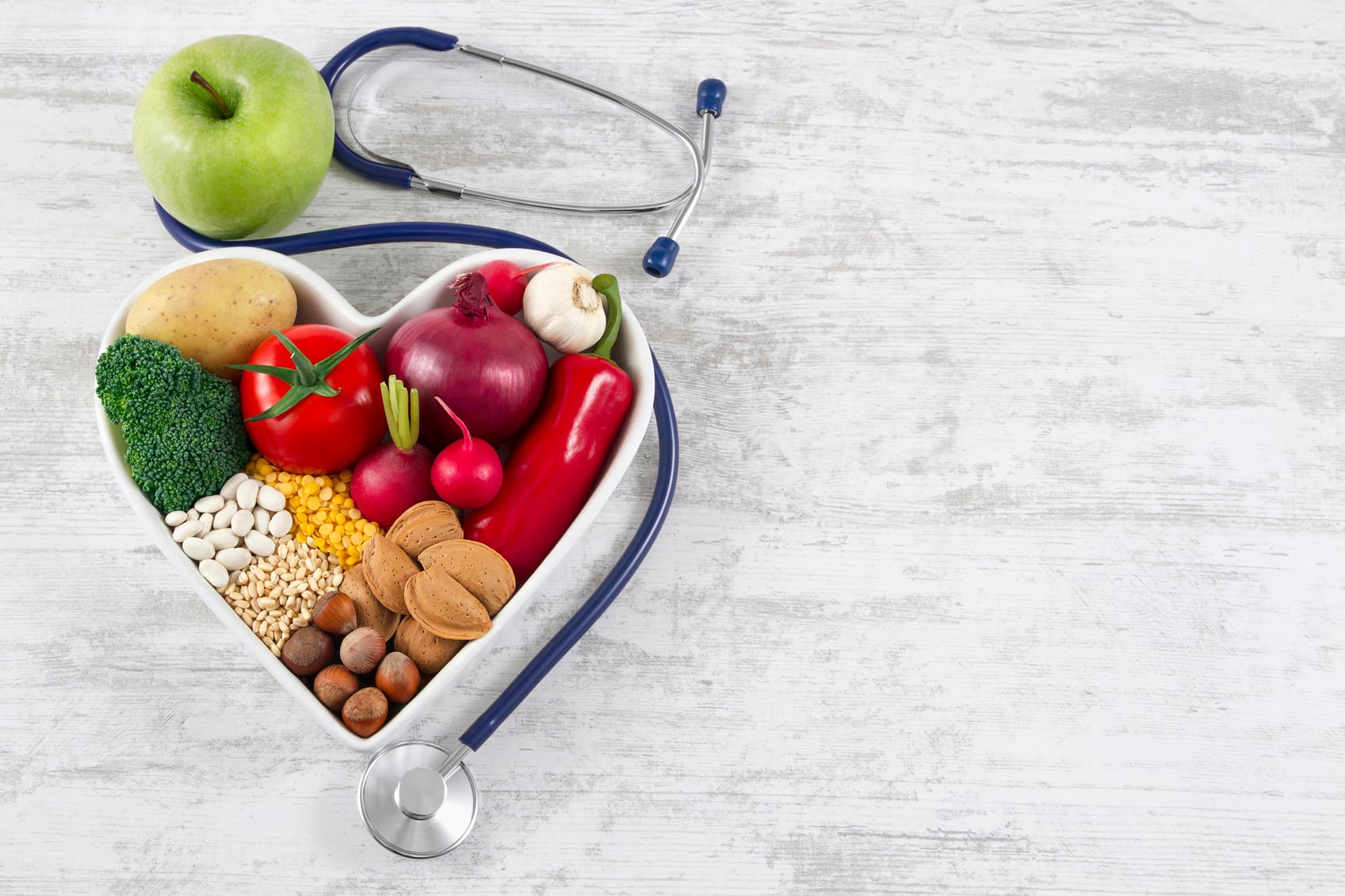
What is Nutrition?
Nutrition is the study of how food and drink affects our bodies with a special regard to the essential nutrients necessary to support human health. It looks at the physiological and biochemical processes involved in nourishment and how substances in food provide energy or are converted into body tissues. These nutrients which are the source of energy for our bodies are classed as: carbohydrates, fats, fiber, minerals, proteins, vitamins, and water. Good nutrition means obtaining the right amount of nutrients from healthy foods in the right combinations. An important part of the study of nutrition is looking at the diseases that can result from malnutrition and the role food plays in the development of chronic disease.
forThe Eatwell Guide

-
-
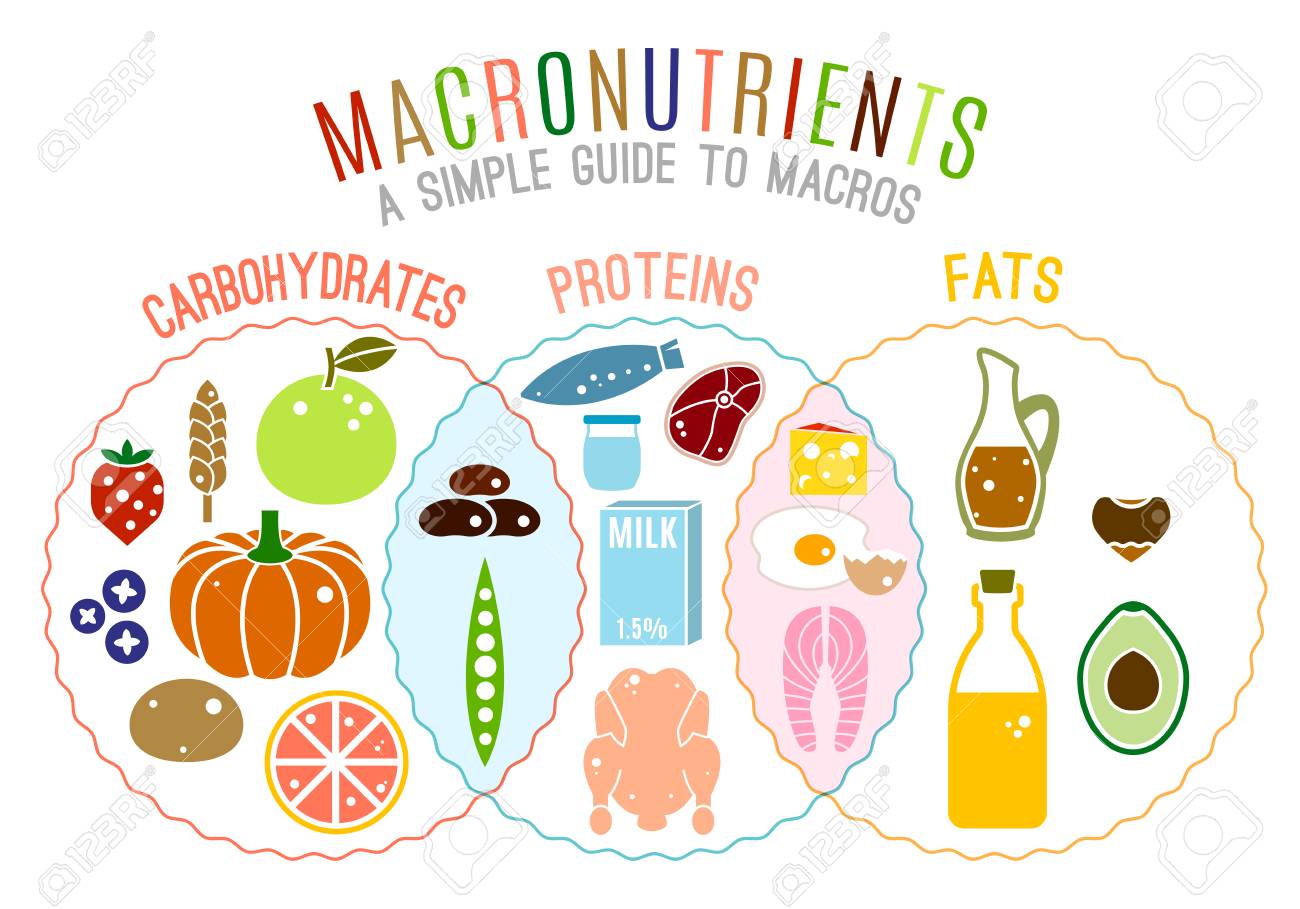
High and low quality proteins, combining and balancing proteins, visible and invisible fats, fatty acids, simple and complex carbohydrates, balancing carbohydrates and dietary fibre.
Food is a source of fuel and nourishment for your body. It’s also a source of pleasure. Having diabetes doesn’t mean you have to eat special foods or give up desserts. Instead, your dietitian can show you how to plan meals to suit your body. To start, learn how different foods affect blood sugar.
-
-
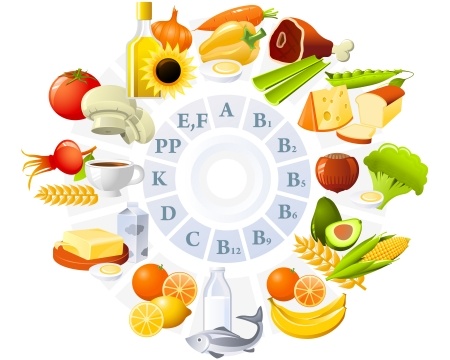
Vitamins A, D, E, K and C, vitamins B1, B2, B3, B6 and B12 and folate. An explanation of the different types of carbohydrate and fibre, where they can be found and what they are used for. The importance of fluids.
-
-
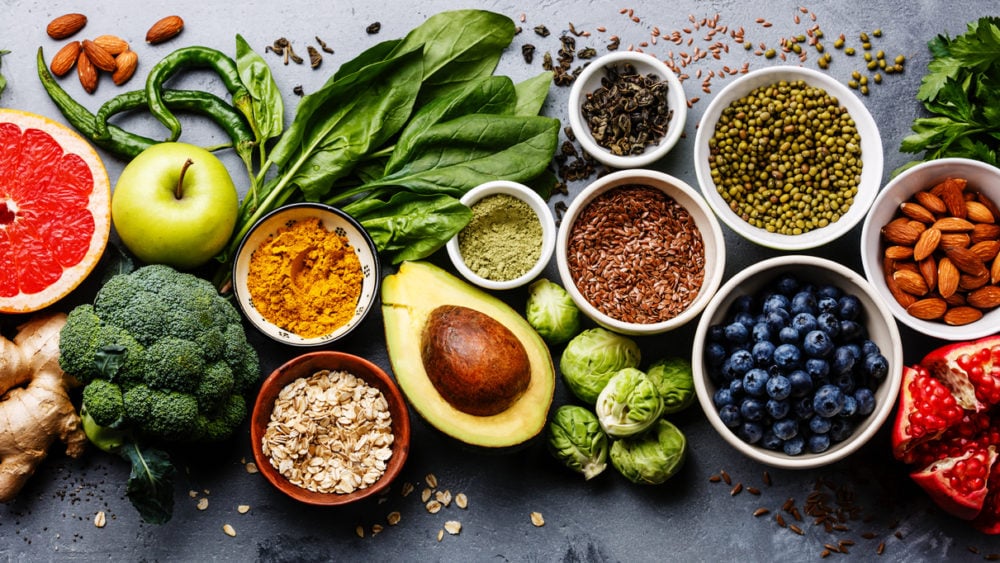
Why people neglect a healthy diet, dietary targets, obesity, cutting down on sugar, heart disease, cutting down on saturated fat and salt, diabetes and food allergies and intolerances.
-
ينبغي للطلبةالتأشير بأنه منجز
-
-
-
-
What is processed food? High and low temperatures, the effects of cooking, drying, controlling air-flow, chemical preservatives, food additives, irradiation and fortification.
-
ينبغي للطلبةالتأشير بأنه منجز
Processing (including preparation) makes food healthier, safer, tastier and more shelf-stable. While the benefits are numerous, processing can also be detrimental, affecting the nutritional quality of foods. Blanching, for example, results in leaching losses of vitamins and minerals. Also, milling and extrusion can cause the physical removal of minerals during processing. The nutritional quality of minerals in food depends on their quantity as well as their bioavailability. The bioavailability of key minerals such as iron, zinc and calcium is known to be significantly affected by the fiber, phytic acid, and tannin content of foods.
-
-
-
-